If you spend enough time with steeds, the calendar resides in your body. Winter makes you pay attention a lot more carefully. Springtime tosses open the barn doors and your senses along with them. Summer examinations your perseverance and your boundaries. Autumn asks you to collect what you have found out. Operating in restorative horsemanship and equine-assisted solutions for twenty years, I have watched exactly how the periods imitate co-facilitators, forming the tone and texture of every session. When we lean into that rhythm as opposed to combating it, experiential learning with steeds goes much deeper. Goals become extra based, law steadier, and understandings stick.
I do not imply only route experiences on warm days. I mean real, organized equine-assisted activities and equine-facilitated mentoring that collaborate with weather, daylight, herd requirements, and human nerve systems. I mean somatic recovery with equines that gets used to mud, warm, frost, and wind. The seasons affect herd characteristics, forage, unguis development, coat modifications, and power. They additionally alter exactly how individuals feel in their skin. If you have ever before viewed a youngster with ADHD work out into a strolling pattern in wintertime when the globe is quiet, or seen a high-performing manager soften her jaw on a breezy fall early morning while a mare takes a breath next to her, you understand what I am speaking about.
What changes across the year, and why it matters
Horses are prey animals, which indicates their survival depends on checking out the setting. When the light shifts or the wind lifts unfamiliar fragrances, you feel it initially in your horse's ribcage and your very own chest. Spring brings fresh grass and bigger herds of flies. Metabolic process surges with the new forage, and many equines really feel warm and onward. Summer warmth slows down everything down, testing hydration and focus. Autumn brings stable ground and sharper air, which can brighten some steeds and heighten shock in others. Wintertime quiets the farm. Pastures rest. Snow stifles sound, and frost makes unguis sing on hard ground. The nerve system signs up every one of this via breath, stance, and gait.
Humans really feel seasonal changes as well. Customers seeking anxiousness assistance with horses usually see that wind days make their thoughts race. Clients in an autism equine learning program may require simpler visual atmospheres to decrease sensory tons throughout springtime green-up. Adults seeking equine-facilitated health regularly turn up in August dried and over-scheduled, then uncover a various kind of boundary when a gelding refuses to relocate until they decrease their breathing. These are not side notes. They are the work.
So, the question is not how to make every session the very same. It is how to use the season as curriculum, securely and intentionally.
Spring: rekindling focus and rebuilding trust
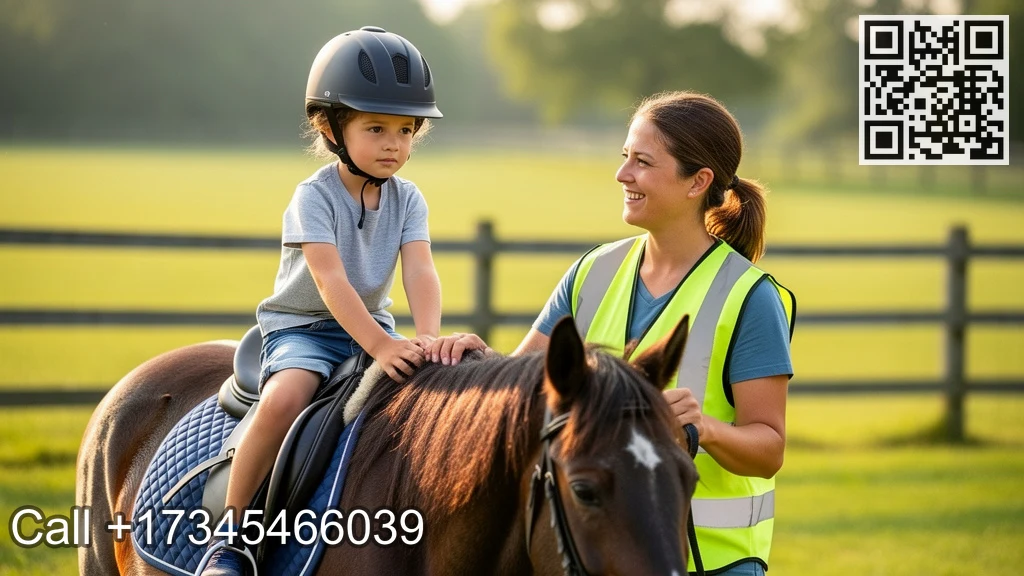
Every year in March or April, depending upon your latitude, equines and human beings awaken to much more light. The barn really feels hectic before anything really gets done. Horses who were consistent in January might surprise at coats waving. New yard can be a thrill ride if you are not cautious with yield time. I intend springtime sessions with a prejudice towards attention and trust.
Start on the ground. Spring energy, specifically on cooler early mornings, can make placing a test for eco-friendly horses and eco-friendly motorcyclists. In equine-assisted mentoring and equine-facilitated training sessions, I commonly start with a boundary rope and a halter lesson that looks deceptively simple. The client stands still, holds the lead softly, and tracks the equine's smallest shifts. When the steed looks exterior, the customer breathes out and names three sounds in the setting. When the equine pivots an ear or softens an eye, the customer takes one action backwards and invites link. It is a dialogue, not a tug-of-war. After ten mins, interest has a shape again.
Anecdote aids here. One April, a young adult in our ADHD equine learning assistance program arrived virtually shaking from institution. The gelding he normally collaborated with had springtime high temperature. We switched the strategy. Instead of a placed pattern, we set four cones in a square and produced a stop and notification circuit. Walk 3 steps, time out, scan the field. Walk diagonally, time out, notice a color. He rolled his shoulders, the gelding yawned, and by the third lap their strides matched. Mounted work later on that month was less complicated since we gained it on the ground.
The trade-off with springtime is need to do too much ahead of time. Equines are losing, which can aggravate the skin and sidetrack them. Weather flips from pleasant to gusty in an hour. Footing might look completely dry on the top and be soup underneath. Keep timelines flexible https://troybgnd140.bearsfanteamshop.com/nature-nervous-system-sync-somatic-healing-with-horses-and-seasons and invite micro-wins. A ten-minute successful in-hand pattern can supply even more healing value than an unsteady 40-minute ride. For customers with sensory obstacles, established brushing as a choice board with various brushes and brief periods, or make use of a curry mitt to lower tickle feeling that sometimes triggers dysregulation in spring.
If you operate in group structure with equines during this period, structure it around adjusting team attention. A traditional example is the common lead workout. Two individuals, one lead rope. The rule is no chatting for the very first minute. The steed gives immediate psychophysiological feedback concerning leadership obscurity. When the pair sighs and someone commits to a subtle hint, the horse solutions with an action and a breath. You can review the entire team's season of partnership in 5 slow mins in April.
Summer: energy administration, limits, and hydration
I love summertime's long evenings, however they can trick individuals right into thinking capability is infinite. It is not, except human beings or horses. Warmth and moisture raise heart prices and reduce interest periods. Flies and midges include a layer of impatience for sensitive steeds. Hydration ends up being a silent protagonist in equine-facilitated health. Expect to invest more time on pacing, rest, and boundaries.
Many equine-assisted activities take advantage of shade. A walk track in a timber line does extra for self-regulation in July than an open arena. Sessions needs to include more regular breaks, not as an alleviation however as the job. I time placed bouts to 5 to 8 mins, after that dismount for water and reset. If a customer's objective is emotional guideline, we call the inner climate. Warm head, limited neck, completely dry mouth. After that we match approach to comments. In some cases it is as ordinary as asking an equine to stop in the only spot of breeze. That little act versions just how to pick alleviation as opposed to grinding on.
One July afternoon with a corporate group, we ran a limit workout that ended up being about words no. Individuals had to move a mare through a basic U-shaped lane of poles without touching her. Deliberately, the lane tightened near completion. The mare did exactly what summertime asks. She stopped in the color and did hold one's ground. The group attempted louder body language. She flipped an ear and stayed put. Finally, one person stepped back, squared his shoulders, and produced a clear opening with his placement. An additional person softened her jaw and dropped her power. The mare took 3 actions. We spoke about how limit and invitation are not opposites. Summer instructed that lesson better than any kind of lecture.
For clients looking for anxiousness assistance with steeds, summer commonly brings anticipatory worry. What happens if I can not focus. What happens if the steed is way too much. I maintain an air conditioning cloth in my pocket and a baseline breath count as a routine. Stroll to the field gate, matter 4 slow exhales, touch eviction with your palm and feel its temperature. These sensory anchors interrupt rumination. For an autism equine discovering program, summer season needs thoughtful organizing. Early morning sessions are kinder to sensory level of sensitivity. A wide-brimmed hat and regular regimens decrease shocks. Flies can not be gotten rid of totally, however fly sheets and a fan in the grooming location help.
Here is a little yet valuable seasonal equipment list that stays in my tack space from June through August:
- Clean canteen and electrolyte packages for humans A second bucket of water near the workspace for horses Fly masks, fly spray, and a box fan with a based expansion cord Cooling towels and a tiny first-aid set with sunscreen and shed gel Cones or posts to produce shaded rest factors in the arena
The trade-off in summer is that some steeds will certainly appear lazy. Prior to pushing for even more go, ask whether the steed is shielding themself. Examine skin temperature level behind the elbow joint, examination for dehydration with a mild skin tent, and pay attention to breathing. A forward equine in May may be a metronome in July. Approve the metronome, and you will certainly frequently locate that timing and balance boost. If riding gets on the strategy, shorten trot collections and lengthen walk recoveries. The human brain finds out well at the walk.
Autumn: changes, harvest, and sharper listening
Autumn is the instructor that sits silently and awaits you to discover. The air dries, layers can be found in, and ground firms underfoot. Herd characteristics can change as pastures modification and grain routines adjust. I discover that people arrive more reflective. They need to know what all that summer season initiative amounted to. This is the season for integrating skills and exploring shifts cleanly.
I like to develop patterns that capture a start, a center, and an end. Walk, trot, stroll. Technique, time out, back up. Lead out, unclip, and invite liberty. We focus on thresholds. Can the equine and human go into the arena together without hurrying. Can they leave without dripping power. One adult client in equine-assisted mentoring concerned autumn work after a year of leadership changes at her job. Her mare of option was independent and a little hesitant. We developed a three-part session: brushing with conscious touch, a shared walk to a field gate and back, then a freedom circle in a round pen. The mare examined the boundary at liberty, wandered, after that returned when the customer softened her shoulders and supplied a clear direction. The client smiled, a tiny private thing. That night she emailed, I practiced the same pose in my team meeting. The area followed.
Transitions likewise mean grief and preparation. Horses age, herds shed and obtain participants, daylight reduces. I do not promote good fortunes in October. I pay attention for what wishes to finish well. For a young adult with sensory handling distinctions, we spent a session deconstructing a favorite brushing routine right into three valued touches, then created a small image publication so he might bring the routine onward throughout winter breaks. For ADHD equine discovering support, autumn is an excellent time to discover job moving without self-criticism. A cone slalom becomes a place to exercise changing state of minds. It is not about speed. It has to do with ending up the breath you are in prior to starting the following turn.
Teams thrive in fall. Harvest is a natural allegory. A ground-based obstacle entailing relocating a collection of poles right into a brand-new arrangement functions magnificently now. Group members must plan, carry, readjust, and total. The equine adds straightforward input. If the group quits teaming up, the gelding drops off to the hay stack. When they communicate plainly, he tracks alongside them. Individuals bear in mind in their muscle mass what the distinction seems like. That is equine-facilitated training at its most elegant.
Winter: quiet bodies, deep policy, and small specific work
Winter resembles a lull, however I have actually never ever seen a lot more straightforward somatic modification than in December through February. With much less aesthetic clutter, minds can downshift. Snow absorbs sound. Cold air requests for slower warm-ups and true presence. Equines put on larger layers. Some barns lower yield throughout storms, which can make equines really feel troubled. Hoof care modifications due to ice and tough ground. I plan for much shorter, much more deliberate blocks and make the walk the hero.
Mounted operate in winter season ought to secure joints and balance. 10 minutes of intentional stroll with serpentines and soft stops educates both horse and cyclist to coordinate. On the ground, I make use of body scan workouts that incorporate the steed's heat. One fave for stress and anxiety support with equines pairs a customer's hand on the equine's shoulder with the other hand on their own upper body. The job is tiny. Suit the expansion of the steed's ribs with your own breath for 5 cycles. Individuals report feeling their heart price decrease in a min or 2. A wearable shows that decrease as well, normally by 5 to 15 beats per min across the very first component of the session.
Clients in an autism equine learning program usually gain from wintertime's predictability. Visual areas are less hectic, and routines are repeatable. I keep an extra collection of handwear covers with various appearances so we can regulate sensory input during brushing. The curry comb that really felt ticklish in springtime usually really feels grounding in January when utilized in slow-moving circles. For ADHD learners, wintertime supplies a chance to practice continual interest without the external world yelling for theirs. We established a timer for three mins and do a straightforward job like counting hoofbeats on a walk track. The brain builds a bridge from one step to the next.
I likewise reserve component of winter months for team debriefs and program style. If you run equine-assisted solutions, this is a great window to assess end results and plan. Look back at goals embeded in spring. Which were accomplished. Which need a various approach. Information can stay human. Track attendance, law self-reports, and observable skills like installing independence or halter proficiency. In my program, we see that customers that participate in winter sessions at the very least two times a month maintain or boost law ratings right into very early spring, while seldom winter attendance associates with a choppier reentry in April. The objective is not perfection, just knowledge concerning patterns.
Because winter months demands accuracy, here is an easy grounding sequence we make use of indoors or in a sheltered corner of the sector:
- Stand shoulder to shoulder with the horse, both of you encountering the very same direction, and notice where your feet satisfy the ground Place one hand delicately on the steed's shoulder, the other by yourself belly, and matter 3 slow exhales Shift your weight slightly forward and back, after that side to side, and really feel the horse mirror or neglect your movement without judgment Name 3 points you can see in the barn, 2 you can hear, one you can really feel on your skin Invite one step forward together, time out, and discover what altered in breath and posture
The threat in winter is rushing the warm-up to remain cozy. Resist. Start with hand walking. Examine footing for ice in every area you plan to use. For ridden work, a quarter sheet can maintain lumbar muscular tissues warmer. If the wind is penalizing, take the session right into a delay row or a small indoor, or junk the horse totally and do a human-only law session with hay nets and stable duties. Credibility beats heroics. Security becomes part of the lesson.
Adapting objectives and methods for various needs
A toughness of equine-assisted tasks is exactly how conveniently they bend to specific profiles. That flexibility needs to consist of seasonal adjustments.
For ADHD equine discovering support, springtime favors novelty within structure. Modification the pattern but maintain the routine. Summer season benefits bite-size jobs with visible endpoints. Autumn welcomes representation on progress making use of concrete markers like time via a pattern or number of halts achieved without hint piling. Winter season is the moment to develop stamina for tranquility. One of my favored successes was a 12-year-old that, by February, can take a breath with 2 complete minutes of standing at the mounting block with his pony, after that tip up smoothly. That ability converted to waiting his turn in other settings.
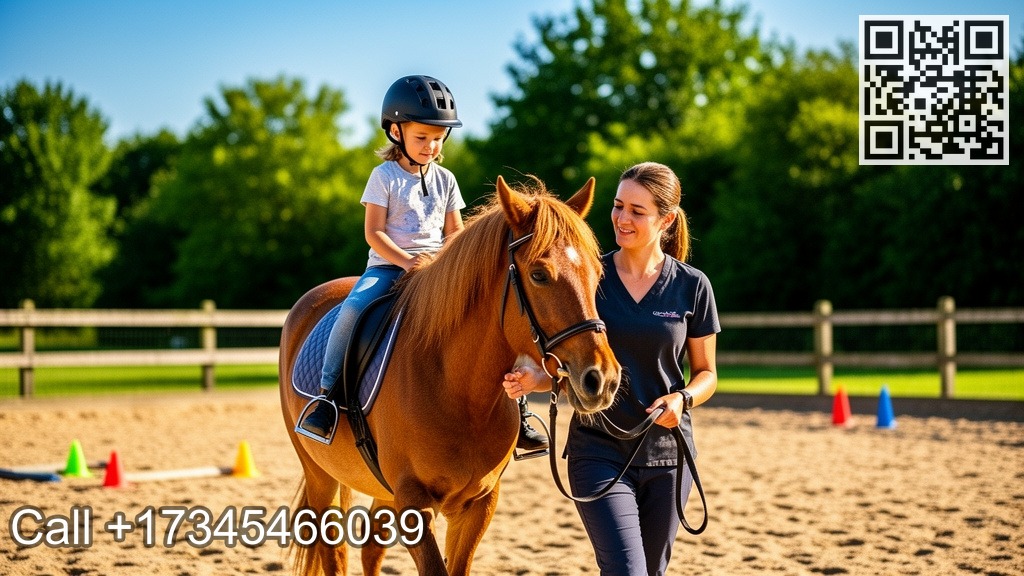
For customers looking for an alternative therapy for sensory challenges, spring can flood the system. Use grooming with a clear start and stop, and deal options of tools. Summertime requests color, hats, and much shorter sessions. Fall commonly opens a window for richer textures like layer changes and crispy fallen leaves under hooves, which some clients love. Winter season enables peaceful barn sounds, the rhythmic scrape of a hoof choice, the equine's breath, which many customers find regulating.
For anxiousness, every period has a doorway. Spring instructs approach and resort. Summer imposes pacing. Fall makes clear endings and transitions. Winter season embodies stillness without collapse. In equine-facilitated wellness, I stay clear of huge cases. Measurable wins resemble reduced self-reported stress and anxiety throughout sessions, boosted rest on session evenings reported by families, or the client arriving very early as opposed to late. Those end results appear in our notes throughout seasons.
Team structure and leadership development that respect the calendar
Corporate and business teams featured objectives and restrictions. They want crisp takeaways. Equines require credibility. Bridging the two jobs best when the period informs the design.
Warm months favor outside, movement-rich difficulties with integrated remainder. A July afternoon program might include 2 brief ground exercises, a hydration break where each person names one limit they will hold at the office, and a closing stroll with the herd free if the herd's personality and space enable. In cooler months, tighter time obstructs with reflective debriefs suit people and steeds. One of the most impactful winter season team sessions I ran utilized a solitary quiet gelding, a collection of poles, and a 90-minute arc. The group developed a pattern, exercised silently, ran it with discourse, after that converted each on-the-ground miscue right into a work environment analog. Individuals left with a shortlist of behaviors to alter instantly, not a binder of theory.
Equine-assisted training has a specific gift for disclosing leadership dead spots. Horses review comprehensibility. If your words say calm and your body screams agitated, the gelding selects the body. If you load silence with descriptions, the mare turns her head away. In autumn, when disturbances are less, this comments lands with less sting and more clearness. It ends up being, I see it, I can alter it.
Ethics, welfare, and the long view
Working seasonally is not just reliable. It is kinder. Healing horsemanship that ignores weather, ground, turnover, and forage is bad method. Equine-facilitated services must revolve around steed welfare as high as human goals. That indicates canceling for ice, adjusting workload in warm, allowing equines day of rests after big sessions, and discovering each steed's seasonal choices. Some steeds love winter season job and hate flies. Others liven up in spring and deal with November winds. Honor that.
Consent issues. Not in a performative way, in a day-to-day means. Watch for small no signals, like a pinned ear at the girth, a stop at the arena gate, or an adjustment in eat pattern. Change. A program that deals with equines as companions rather than tools models exactly the kind of relational wellness we desire customers to learn. This consists of preparation rest periods for the herd during the calendar year. In my barn, late August and late February are light on reservations by design.
Staff training complies with the very same contour. Educate your group how to spot seasonal laminitis danger in springtime, warmth stress and anxiety in summer, colic indicators throughout fall weather condition swings, and footing risks in winter season. Never ever hesitate to state not today. The honesty you develop mirrors with every session.
Designing a year with intention
If you are building or fine-tuning an equine program, map your goals to the seasons. Beginning spring with reconnecting to cues, limits, and interest. Establish baseline measures like breath counts, halter abilities, or variety of clean transitions. Usage summer season to exercise energy monitoring and self-advocacy. In fall, incorporate and mirror. Ask customers what they want to harvest. In winter, shield deepness and rest. Focus on precision, body awareness, and maintenance of gains.
Budget and logistics follow suit. Assign funds for fly control in summertime and footing upkeep in wintertime. Set up team continuing education and learning in quiet months. Connect with family members concerning what to anticipate each period so they get here with the appropriate clothing and way of thinking. Simple information, like having extra gloves, water, and a spare coat on hand, turn prospective obstacles right into non-events.
For advertising and marketing and outreach, maintain the message straightforward. Equine-assisted solutions are not magic. They are embodied, receptive, and relational. Say that. If you supply an autism equine learning program, explain the sensory atmosphere by period so families can select the most effective home window. If you organize group building with equines, framework the advantages around seasonal lessons. July for pacing and boundary work. October for clearness and closure. February for paying attention and coherence.
Stories that stay
Ask any kind of practitioner and they will certainly have a handful of sessions that reject to fade. Mine almost always connect to a minute when the period, the equine, and the human stated the very same thing.
A winter season day when a young veteran stood with a draft cross and matched breath for the first time in months, after that claimed, silently, I can feel my feet. A gusty springtime early morning when a mare instructed a manager that going back can develop extra ahead than pressing ever will. An August mid-day under the oak trees where a teenager, sweaty and honored, dismounted after strolling an ideal figure eight and said, I really did not stop on the difficult component. An October night where a group walked a gelding with a pattern, bows and all, after that wrote 3 sentences they would in fact send to their personnel. Those are seasonal stories.
Equine-facilitated mentoring and equine-facilitated health succeed when they quit claiming the sector is a vacuum. The globe belongs to the session. Light, temperature level, pests, wind, mud, frost. Equines already know this. When we, the human beings, let the calendar into our preparation, the work gets sincere. Individuals locate regulation without forcing it. Steeds remain audio in mind and body. The ranch rests and revives. And we, with each other, find out with the year, not against it.